 Golden hour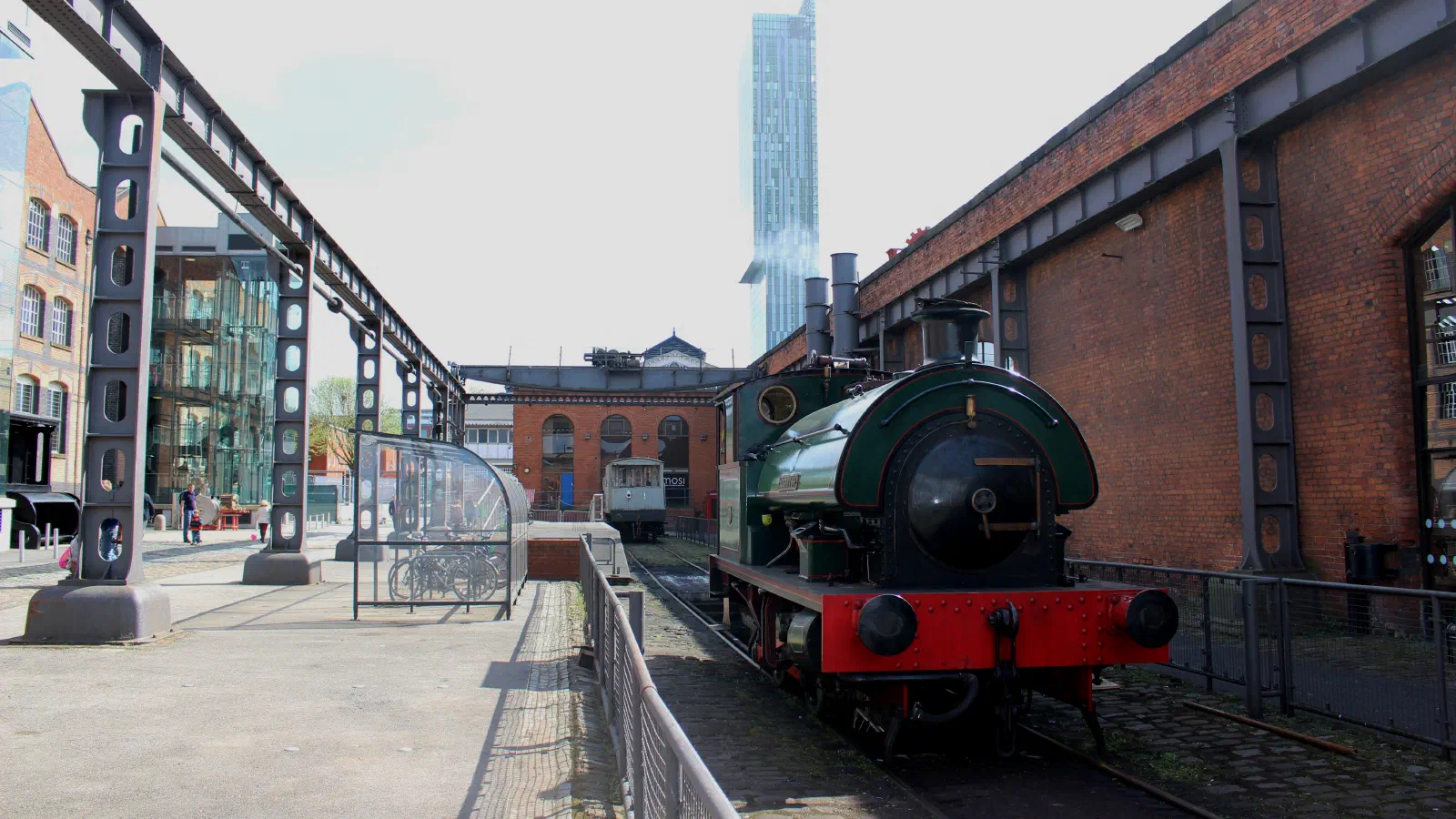
Best at golden hour
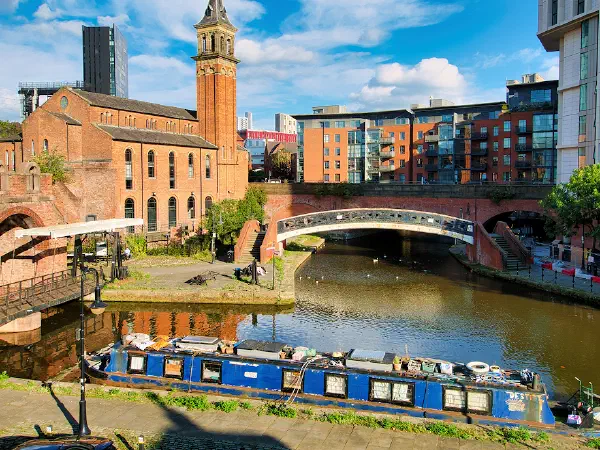
Science and Industry Museum
Castlefield · ManchesterSome gear links on this page are affiliate links — if you buy through them we may earn a small commission at no extra cost to you. See our affiliate disclosure.
What is the Science and Industry Museum?
The Science and Industry Museum (MOSI) in Manchester is housed on the historic site of Manchester Liverpool Road, the world’s oldest passenger railway station, and opened in its current location in 1983. Its galleries showcase Manchester’s role as the world’s first industrial city, tracing breakthroughs in transport, power, computing, textiles, and sanitation across five listed buildings. Highlights include the Power Hall, Air & Space Hall, Great Western Warehouse, and exhibition of the Manchester Baby computer.
A major refurbishment of the Power Hall is underway, aiming to reopen it as a sensory, immersive gallery by summer—part of a £40 million conservation masterplan to the museum’s historic structures including warehouses and viaducts. A temporary Special Exhibitions Gallery housed in a vaulted Victorian space—reimagined by architects Carmody Groarke—is also a standout architectural feature.
Why Shoot Here?
The Science and Industry Museum is rich with visual and thematic photography opportunities:
- Industrial grandeur: Capture towering steam engines, vintage locomotives, and architectural vaults that offer atmospheric, textured detail.
- Historic depth: The preserved railway station façade and machinery displays enrich architectural narratives and storytelling.
- Innovative exhibits: Iconic artifacts like the Manchester Baby and interactive galleries offer compelling focal points.
- Refurbishment impact: The evolving Power Hall and newly designed Special Exhibitions Gallery offer dynamic contrasts between old and new.
Getting There
Deansgate-Castlefield Metrolink is a three-minute walk and Deansgate rail station adjoins it. NCP Deansgate is the nearest car park at roughly £8–12 per day. The museum occupies the site of Manchester Liverpool Road, the world’s oldest passenger railway station, spread across five listed buildings and a cobbled yard in Castlefield — so allow time to move between them.
Entry is free, but check opening times before you travel, and check which galleries are open. The site has been working through a £40 million conservation masterplan covering the historic warehouses and viaducts, with the Power Hall refurbished as part of it, so gallery availability has changed repeatedly and is worth confirming rather than assuming. Castlefield Urban Heritage Park is on the doorstep and Castlefield Viaduct a few minutes south — the Castlefield canals and Deansgate walk includes the museum.
Photography FAQ
Can you take photos in the Science and Industry Museum?
Personal handheld photography is normally fine in a free-entry museum like this, and it is what most visitors do. Tripods are the question worth asking at the front desk on the day rather than assuming: policies at museums vary by gallery, and temporary and touring exhibitions often carry their own restrictions that differ from the permanent collection. Weekday mornings just after opening are when a tripod is least likely to be a problem for anyone, including you.
What is the best time to visit for photography?
Weekday mornings just after opening. The galleries are at their quietest, which matters more here than at most spots — the steam engines and locomotives are large static subjects and a clean frame means waiting out the crowd. Late afternoon is the other window, when angled sun comes through the tall hall windows and throws shafts of light across the aircraft and machinery. For the exterior, come on an overcast day: flat light holds the detail in the Liverpool Road station stonework.
How do you handle the low light indoors?
It is dim, and the subjects are static, which is a good combination if you can steady the camera. If a tripod is permitted, work at base ISO and let the shutter run. If not, brace against a railing or a pillar, open up, and lean on stabilisation. There is also a creative option: shutter speeds of 1/15s to 1/4s blur visitors walking past the static exhibits, which makes the contrast between the living and the preserved the actual subject of the frame.
What lens should I bring?
A 14–20mm ultra-wide is the one that matters, for shooting upward inside the vaulted Great Western Warehouse where the ironwork ceiling and converging beams give you dramatic symmetry. A 24mm at floor level beside locomotive wheels exaggerates their scale. A 50mm or short telephoto handles the machinery detail and the object-level work on exhibits like the Manchester Baby.
What is the site’s significance?
It stands on Manchester Liverpool Road, the world’s oldest surviving passenger railway station, and the collection traces the city’s role as the world’s first industrial city across transport, power, computing, textiles and sanitation. That history is why the buildings themselves are as photogenic as the exhibits: the warehouses, the viaducts and the station facade are original industrial fabric, not a purpose-built museum shell.
Further Information
- Wikipedia – Science and Industry Museum — history, galleries, and site context
- National Art Pass – MOSI — gallery features, visitor info, and historic setting
- Carmody Groarke – Masterplan & Gallery Design — architectural insight into restorations and new gallery spaces
- Guardian – Exhibition on Transatlantic Slavery — upcoming socially impactful exhibitions at the museum
Best Times to Shoot
- Weekday mornings just after opening provide the quietest galleries — you can set up tripod shots of the steam engines and locomotive displays without crowds in frame, and a compact tripod like the Peak Design Travel Tripod keeps you nimble in the dim interior light.
- Overcast days are best for exterior shots of the Liverpool Road station facade, as even light preserves detail in the stonework without harsh shadows.
- Late afternoon when angled sunlight streams through the tall windows of the Air and Space Hall, creating dramatic shafts of light across the aircraft and machinery.
- During special exhibition installations the museum takes on a different visual character — scaffolding, partially dressed displays, and unusual lighting offer unique behind-the-scenes moments (check social media for preview access).
Composition Ideas
- Shoot upward inside the vaulted Great Western Warehouse to capture the ironwork ceiling structure with a wide-angle lens (14–20 mm), using the converging beams for dramatic symmetry.
- Position yourself at floor level beside the locomotive wheels in the Power Hall to exaggerate their scale, using a 24 mm lens to stretch perspective.
- Frame the historic Liverpool Road station entrance from across the cobbled yard, including the railway tracks in the foreground as leading lines.
- Use slow shutter speeds (1/15s–1/4s) to capture movement blur of visitors walking past static exhibits, creating contrast between the living and the preserved.
How to shoot it
Lens
A 16–35mm wide exaggerates scale and verticals; a 24–70mm keeps proportions natural. A tilt-shift tames converging lines.
Settings
f/8–f/11 for front-to-back sharpness, ISO 100, and meter for the highlights so detail in the stonework holds.
Composition
Hunt for symmetry and repetition, keep verticals straight, and use doorways or arches to frame the subject.
Timing
Aim for golden hour — the hour after sunrise or before sunset — when low, warm light rakes across the scene. Today's exact window is in the panel on this page.
More in Castlefield
See the area →Nearby spots
Shooting the whole area? Read the Castlefield photography guide — every spot, the light that suits it, and a route to link them.