 Any / overcast
Best at golden hour
Platt Fields Park
South Manchester · Manchester
Some gear links on this page are affiliate links — if you buy through them we may earn a small commission at no extra cost to you. See our affiliate disclosure.
What is Platt Fields Park?
Platt Fields Park is a large public park in the Fallowfield area of Manchester, covering around 90 acres. Opened in 1910 on land once belonging to the Platt Hall estate, it remains one of the city’s most popular green spaces (en.wikipedia.org).
The park features:
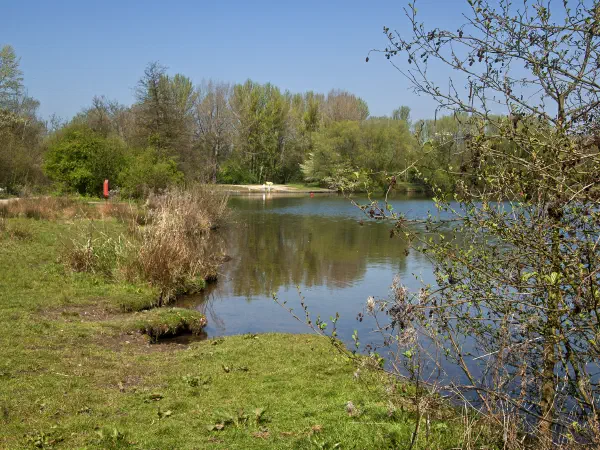
- A large boating lake (Platt Fields Lake), popular with anglers and waterfowl photographers.
- Ornamental gardens, including the Shakespearean Garden and community allotments.
- Platt Hall, an 18th-century Grade II* listed Georgian building (currently closed to the public for redevelopment).
- Wide open playing fields, a BMX track, and a skate park.
It’s also home to a variety of annual cultural events such as the Manchester Thai Festival, Eid celebrations, and the Caribbean Carnival, which bring vibrant colour and life to the space.
Why Shoot Here?
Platt Fields Park offers a wide variety of photographic opportunities for nature, event, and lifestyle photography:
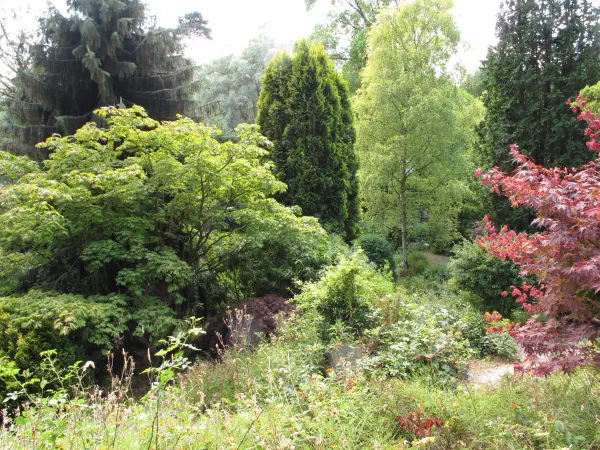
- Seasonal beauty: Blossom trees in spring, wildflower meadows in summer, golden leaves in autumn, and frosty scenes in winter.
- Water reflections: The boating lake offers mirror-like compositions of trees, skies, and waterfowl.
- Cultural vibrancy: Festivals and community events add dynamic people-focused photo opportunities.
- Architectural interest: Platt Hall’s Georgian façade provides a stately backdrop for portraits or heritage-focused shots.
Getting There
There is no tram to Platt Fields. Buses 41, 42 and 43 run frequently from Piccadilly Gardens down Wilmslow Road and take about fifteen minutes — alight at Platt Lane. There is a free car park at the Platt Lane entrance, which is the easiest option early in the day but fills on festival weekends and in summer. Entry is free and the park is open daily.
At around 90 acres this is a large site, and where you enter determines what you can reach: the boating lake and the Shakespearean Garden sit toward the Platt Lane side, with the open playing fields, BMX track and skate park spread beyond. Paths are surfaced and mostly level, so it is an easy park to work with a tripod. Whitworth Art Gallery is fifteen minutes north up Wilmslow Road and Fletcher Moss is the other main south Manchester garden, further out toward Didsbury.
Photography FAQ
Can you take photos in Platt Fields Park?
Yes. It is a free public park and personal photography, including tripod work, needs no permission. The one place to think before shooting is around the children’s play areas and the skate park, where photographing without an obvious reason draws justified suspicion — if you are working there, be visible about what you are doing. Commercial shoots require council permission.
What is the best time to photograph the boating lake?
Before 8am. Mist frequently sits over the water early, the surface is at its stillest before the day’s wind and waterfowl activity, and you get clean reflections of the surrounding trees. Autumn golden hour is the other strong window — the mature deciduous canopy around the lake and the Shakespearean Garden turns rich red and gold, and it reflects. Frosty winter mornings turn the open playing fields into minimalist, high-contrast scenes that suit monochrome.
Is Platt Fields good for wildlife photography?
The lake is the draw — it is popular with anglers and holds a reliable population of waterfowl. A 70–200mm from the lakeside lets you photograph birds with the far bank thrown well out of focus, which is the difference between a record shot and a portrait. Get low, to water level rather than standing height, and the background compresses into a clean wash of colour.
What can you photograph at Platt Hall?
The Georgian facade only. Platt Hall is an 18th-century Grade II* listed building, currently closed to the public for redevelopment, so the interior is not available. From outside it still works as a stately backdrop for portraits: shoot from the formal lawn approach at 35mm, centred, with the gravel path running in as a leading line.
When do the festivals happen and are they worth shooting?
The park hosts the Manchester Thai Festival, Eid celebrations and the Caribbean Carnival among others through the year, and they are the reason to come if you want people rather than landscape — vivid colour, costume and movement. Shoot from midday onward for peak activity. Get low and shoot upward into performers with the sky as a clean backdrop to isolate the colour. As always with events, ask before making a portrait of an identifiable individual.
Further Information
- Wikipedia – Platt Fields Park — history, features, and cultural role
- Manchester City Council – Platt Fields Park — facilities, events, and visitor information
- Friends of Platt Fields Park — community projects, volunteering, and events calendar
Best Times to Shoot
- Early morning before 8 am is the prime window for lake photography — mist often hangs above the water and the surface is perfectly still, creating flawless reflections of surrounding trees.
- Golden hour in autumn is spectacular here thanks to the mature deciduous canopy around the lake and Shakespearean Garden turning rich reds and golds.
- Festival weekends (Thai Festival, Caribbean Carnival, Eid celebrations) bring vivid colour, costume, and movement — shoot from midday onward for peak activity.
- Frosty winter mornings transform the open playing fields and lakeside paths into minimalist, high-contrast scenes perfect for monochrome work.
Composition Ideas
- Position yourself on the south bank of the boating lake and use overhanging willow branches as a natural frame around the water and far-bank treeline.
- Shoot Platt Hall from the formal lawn approach, centring the Georgian facade with the gravel path as a leading line — a 35 mm lens captures the full scene with natural perspective.
- During festivals, get low and shoot upward into dancers or performers with the sky as a clean backdrop to isolate colour and movement.
- Use a long lens like the 70–200 mm from the lakeside to photograph waterfowl with soft bokeh from the far bank, creating wildlife portraits with painterly backgrounds. For rain-ready bodies and bag protection, see the Manchester weather-sealed camera guide.
How to shoot it
Lens
A 24–70mm covers most scenes; a 70–200mm isolates detail and a macro lens finds the small stuff.
Settings
f/5.6–f/8 for natural depth, low ISO, and a polariser to cut glare and deepen foliage and sky.
Composition
Use paths and tree lines as leading lines, add foreground interest, and shoot into low side-light for depth and texture.
Timing
Aim for golden hour — the hour after sunrise or before sunset — when low, warm light rakes across the scene. Today's exact window is in the panel on this page.
More in South Manchester
See the area →