 Golden hour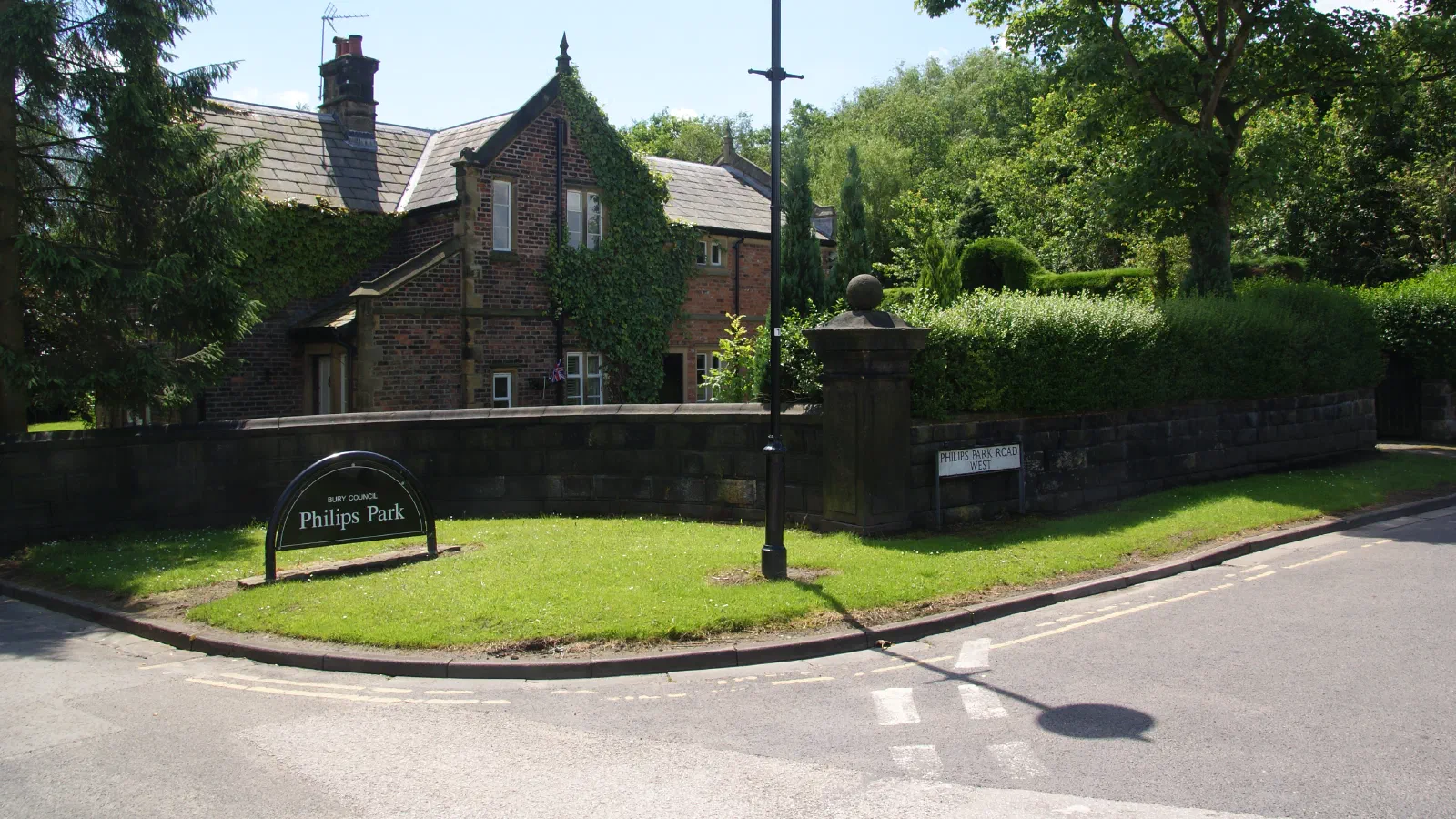
Best at golden hour
Philips Park
East Manchester · ManchesterSome gear links on this page are affiliate links — if you buy through them we may earn a small commission at no extra cost to you. See our affiliate disclosure.
What is Philips Park?
Opened in 1846, Philips Park was one of the world’s first municipal parks. Located in East Manchester, it offers a beautiful escape with its rolling landscapes, formal gardens, and historic features, providing a stark contrast to the surrounding industrial areas.
Why Shoot Here?
- Historic Gardens: The park’s formal flower beds and traditional landscaping are perfect for nature and macro photography.
- River Medlock: The River Medlock flows through the park, offering charming waterside scenes and reflections.
- Victorian Charm: Historic gatehouses and bridges provide architectural interest within the natural setting.
- Autumn Colors: The park is particularly photogenic in the autumn, with a wide variety of trees providing a rich palette of colors.
Getting There
Etihad Campus Metrolink is a ten-minute walk, and the 76 bus from Piccadilly Gardens takes about fifteen minutes to the Clayton end. There is a free car park at the park entrance, which makes this one of the easier dawn shoots to reach with a bag of gear. The park is public with open access and no entry fee.
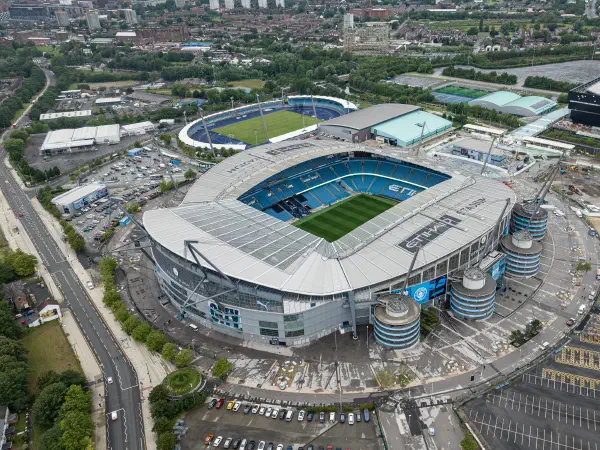
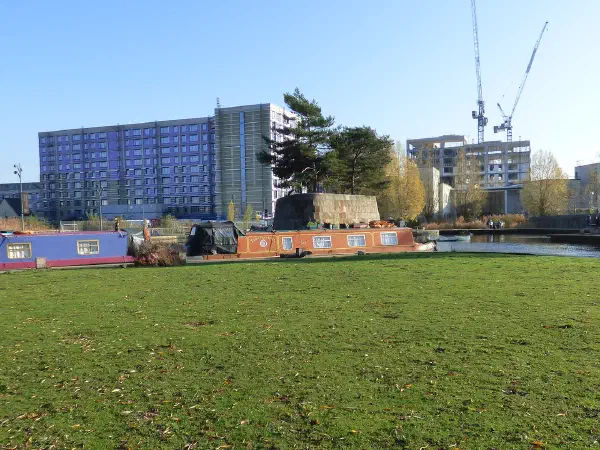
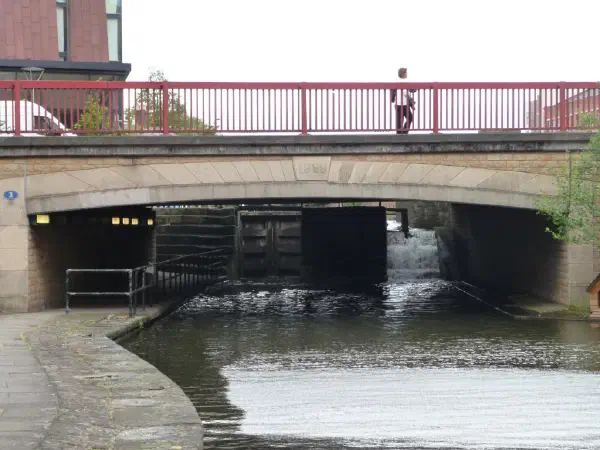
Philips Park sits in east Manchester, surrounded by industrial and residential fabric — which is part of what makes it photograph well, since the contrast between the Victorian park and its boundary is a subject in itself. Etihad Stadium is the nearest other spot, about ten minutes away, and the Ashton Canal at Ancoats Bridge is a reasonable extension west along the water.
Photography FAQ
Can you take photos in Philips Park?
Yes. It is a public municipal park with open access and no permission needed for personal photography or tripods. The usual park courtesies apply: keep off the formal flower beds rather than stepping in for a better macro angle, and be visible about what you are doing if you are working near the play areas. Commercial and wedding shoots need clearance from the council.
What is the best time of year to shoot here?
October and November. The park holds a large collection of mature deciduous trees whose colour peaks at different points through October, which gives a longer autumn window than most Manchester parks, and the fallen leaves carpet the formal avenues. April and May are the alternative, when the beds are replanted and the ornamental cherries blossom before the leaves arrive — that is the season for macro work among the planting.
When does the mist form over the River Medlock?
On calm, cool mornings in autumn and winter. The Medlock runs through a slightly lower section of the park where cold air settles, so mist collects close to the water and holds if there is no wind. Arrive at dawn in October or November and you have a real chance of mist over the river with diffused light coming through bare branches — the conditions that make this look like somewhere other than east Manchester.
What lens do I need at Philips Park?
A 24–35mm for the river as a leading line — the Medlock curves gently through the park and gives you a natural S-curve with a stone footbridge to anchor the far end. A macro or a 50mm at f/2.0–f/2.8 for the formal beds, shot from 20–30cm off the ground. A 35–70mm for the boundary shot looking back into the park with the surrounding urban landscape beyond the treeline.
What makes Philips Park historically notable?
It opened in 1846 as one of the world’s first municipal parks — public green space deliberately created for an industrial working population rather than inherited from an estate. That origin is visible in the layout: formal avenues, ornamental beds, Victorian gatehouses and stone bridges over the Medlock, all designed to be walked through by large numbers of people. Shooting the park against the industry at its edge is photographing the reason it exists.
Best Times to Shoot
- Autumn (October–November) — Philips Park’s collection of mature deciduous trees produces rich autumn colour across the main formal avenues and along the River Medlock banks. The variety of species means colour peaks at different points through October, giving a longer window than most Manchester parks. The formal flower beds lose their summer planting but the fallen leaves create textural ground cover.
- Early morning in autumn and winter — The River Medlock runs through a slightly lower section of the park where mist collects on calm, cool mornings. Arriving at dawn in October or November gives you the possibility of mist hovering above the water and diffused light through bare-branched canopy — conditions that transform the Victorian park into something atmospheric and cinematic.
- Spring (April–May) — The formal flower beds are replanted each spring, and the ornamental cherry trees along some of the park’s main paths blossom in April before the leaves arrive. Spring is the best season for close-up and macro work among the beds: tulips, wallflowers, and seasonal planting are vivid and unworn.
- Late afternoon on clear days — The western sections of the park receive long, raking light in the final hour of daylight. The historic gatehouses at the park entrance cast long shadows and the bridge structures over the Medlock are well-lit from the west at this time.
Composition Ideas
- River Medlock as leading line — Follow the Medlock along the park’s lower path and shoot along the river with a 24–35 mm lens. The river curves gently through the park, creating a natural S-curve or diagonal leading line. Include overhanging vegetation or one of the stone footbridges as a structural element at the far end of the leading line.
- Gatehouse and bridge with overhanging branches — The Victorian gatehouse at the main entrance and the stone bridges over the Medlock are framed naturally by mature trees. Stand back and use overhanging branches to vignette the frame, shooting with a 35–50 mm lens at f/4–f/5.6 so the branches are slightly soft but clearly read as organic framing elements.
- Low-angle flower bed macro — Get down to 20–30 cm height among the spring or summer formal beds and use a macro or 50 mm lens at f/2.0–f/2.8. Focus on a single flower head or cluster and let the surrounding planting blur into colour-saturated bokeh. The formal park setting gives the micro-scale image a contextual anchor.
- Industrial East Manchester contrast — Walk to the park’s boundary and shoot back into the park from a point where the surrounding industrial or residential East Manchester landscape is visible beyond the park edge. A 35–70 mm lens from inside the park captures the contrast between mature park vegetation in the foreground and the urban fabric immediately beyond the boundary.
How to shoot it
Lens
A 24–70mm covers most scenes; a 70–200mm isolates detail and a macro lens finds the small stuff.
Settings
f/5.6–f/8 for natural depth, low ISO, and a polariser to cut glare and deepen foliage and sky.
Composition
Use paths and tree lines as leading lines, add foreground interest, and shoot into low side-light for depth and texture.
Timing
Aim for golden hour — the hour after sunrise or before sunset — when low, warm light rakes across the scene. Today's exact window is in the panel on this page.
More in East Manchester
See the area →Nearby spots
Shooting the whole area? Read the East Manchester photography guide — every spot, the light that suits it, and a route to link them.