 Blue hour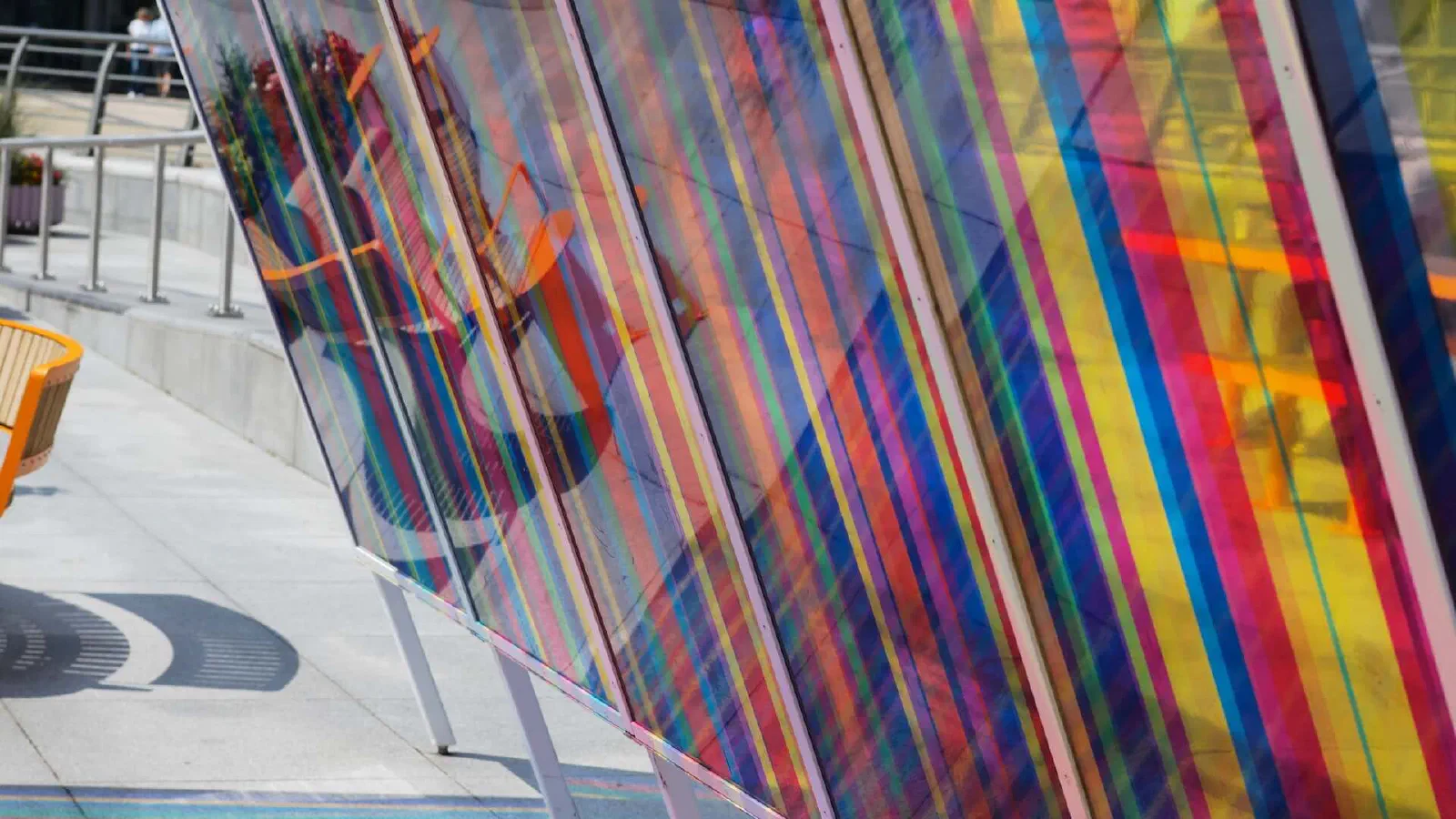
Best at blue hour
MediaCityUK
Salford · Manchester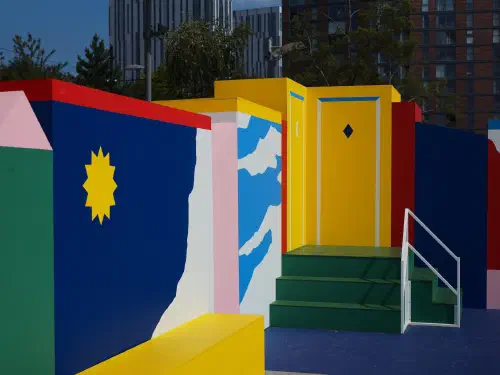
Some gear links on this page are affiliate links — if you buy through them we may earn a small commission at no extra cost to you. See our affiliate disclosure.
What is MediaCityUK?
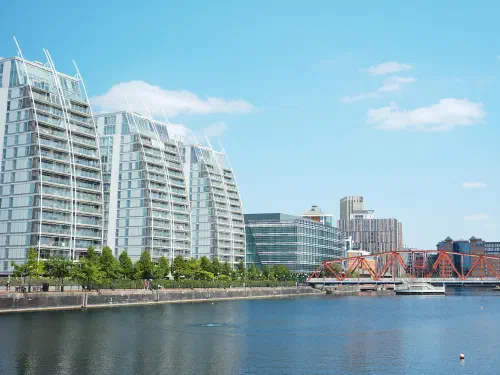
MediaCityUK is a modern waterfront development on the banks of the Manchester Ship Canal at Salford Quays, Greater Manchester. Opened in 2011, it was purpose-built as a hub for the creative, media, and digital industries, and is home to major broadcasters including the BBC and ITV (en.wikipedia.org).
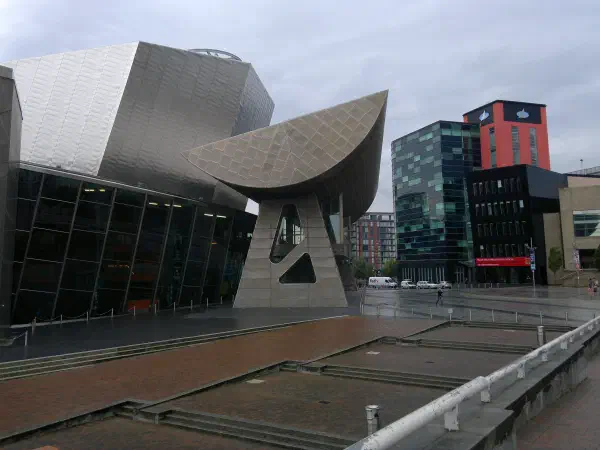
Developed by Peel Media in partnership with Salford City Council, the complex features state-of-the-art television and radio studios, production facilities, offices, apartments, and public spaces. Its architecture blends glass-fronted towers, strikingly lit public plazas, and landscaped quayside walkways, designed to encourage both business activity and leisure.
MediaCityUK is also home to cultural venues such as The Lowry arts centre and the Imperial War Museum North (across the water), plus a variety of restaurants, bars, and public art installations. The development has become a symbol of Salford’s regeneration and a prominent landmark in Greater Manchester’s skyline, particularly at night when the buildings and bridges are illuminated.
Why Shoot Here?
MediaCityUK offers a range of visual opportunities for photographers and Instagrammers:
- Modern architecture: Sleek glass façades, colourful lighting, and contemporary bridges like the Millennium Footbridge.
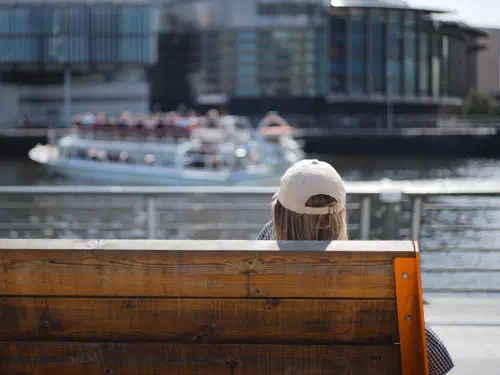
- Water reflections: The calm waters of the Manchester Ship Canal and Salford Quays create mirror-like reflections, especially at sunrise, sunset, or blue hour. This is also the best place in Greater Manchester for a 10-stop ND — wide open water and reliable wind mean a 60-second exposure streaks the cloud and turns the basin to sheet metal, as covered in our canal and reflection filters guide.
- Night scenes: Vivid building illuminations, lit walkways, and the glow of the BBC and ITV signs make for striking long exposures.
- Public art and details: Sculptures, seating, and landscaping provide interesting foreground elements for architectural shots.
Getting There
The MediaCityUK Metrolink stop is inside the development, which makes this one of the easiest waterfront locations in Greater Manchester to reach with a full bag of kit. There is an on-site car park at roughly £5–8 per day if you prefer to drive. Everything is flat, paved and step-free.
The quaysides and plazas are open public space at all hours, so unlike most of the sites in this guide you can shoot true blue hour and stay for the long exposures afterwards. The Lowry is five minutes round the basin and the Imperial War Museum North sits across the water — the Salford Quays walk links them in the right order for the light.
Photography FAQ
Can you take photos at MediaCityUK?
Yes. The quaysides, footbridges and plazas are publicly accessible and photography is common there. It is privately managed land, though, not public highway: security do patrol, and a tripod set up for a long session may prompt a polite question. Answer it and you will almost always be left alone. Organised commercial shoots need permission from the estate management, and the BBC and ITV buildings themselves are private — exteriors only.
When is the best time to shoot MediaCityUK?
Blue hour, roughly 20–40 minutes after sunset, when the building illuminations and the BBC and ITV signage are lit but the sky still holds colour. That window is the reason to come. Sunrise from the east side is the quieter alternative, with warm light on the glass facades and empty plazas.
Why do my reflection shots not look like the ones online?
Almost always wind. The basin needs to be still, and a light breeze across open water is enough to break the mirror completely. Check the wind forecast before travelling rather than the cloud forecast — this is the most weather-dependent location in the Salford guide, and a calm grey evening will beat a bright blustery one.
Do I need a tripod at MediaCityUK?
For the blue-hour and night work, yes — exposures run past a second and the whole appeal is smooth water and clean building lights. It is also the best place in Greater Manchester to use a 10-stop ND in daylight: wide open water and reliable wind mean a 60-second exposure streaks the cloud and turns the basin to sheet metal.
What lens should I bring?
A 16–24mm wide for the panoramic reflection across the ship canal and for using bollards and planters as foreground, plus a 70–200mm to compress the towers against each other from the Imperial War Museum North side. The footbridge railings make good converging leading lines at around 24–35mm.
Further Information
- Wikipedia – MediaCityUK — history, development, and key tenants
- MediaCityUK Official Website — visitor info, events, and amenities
- Visit Manchester – Salford Quays & MediaCityUK — attractions, walking routes, and photography spots
Best Times to Shoot
- Blue hour is the standout window here — the BBC and ITV building illuminations reflect vividly off the still canal water roughly 20–40 minutes after sunset, and a tripod like the Peak Design Travel Tripod is essential to hold the long exposures steady.
- Sunrise from the east side of the quays bathes the glass facades in warm orange light, with long shadows adding depth to walkways.
- Overcast midday works surprisingly well for detail shots of the architecture, as diffused light removes harsh reflections from glass surfaces.
- Weekend mornings offer emptier plazas and unobstructed sightlines across the footbridges and waterfront.
Composition Ideas
- Shoot from the centre of the Millennium Footbridge at a low angle to use the railings as converging leading lines toward the BBC building.
- Position yourself on the far bank of the ship canal to capture a wide panoramic reflection of the entire MediaCityUK skyline in the water.
- Use bollards, benches, or quayside planters as strong foreground anchors when composing waterfront shots with a wide-angle lens (16–24 mm).
- Try a telephoto compression shot with a 70–200 mm from the Imperial War Museum North side to stack the buildings tightly against each other.
How to shoot it
Lens
A 16–35mm wide takes in reflections and foreground; switch to a 70–200mm to compress distant detail across the water.
Settings
Tripod, f/11, ISO 100 and a 1–8s exposure for glassy water and clean reflections; an ND filter extends it in daylight.
Composition
Shoot low to maximise the reflection, use the waterline as a leading line, and wait for still water to double the scene.
Timing
Blue hour — the ~20 minutes after sunset — is the sweet spot: the sky balances with the city's lights. Be set up before it starts; today's window is on this page.
More in Salford
See the area →Nearby spots
Shooting the whole area? Read the Salford photography guide — every spot, the light that suits it, and a route to link them.