 Night
Night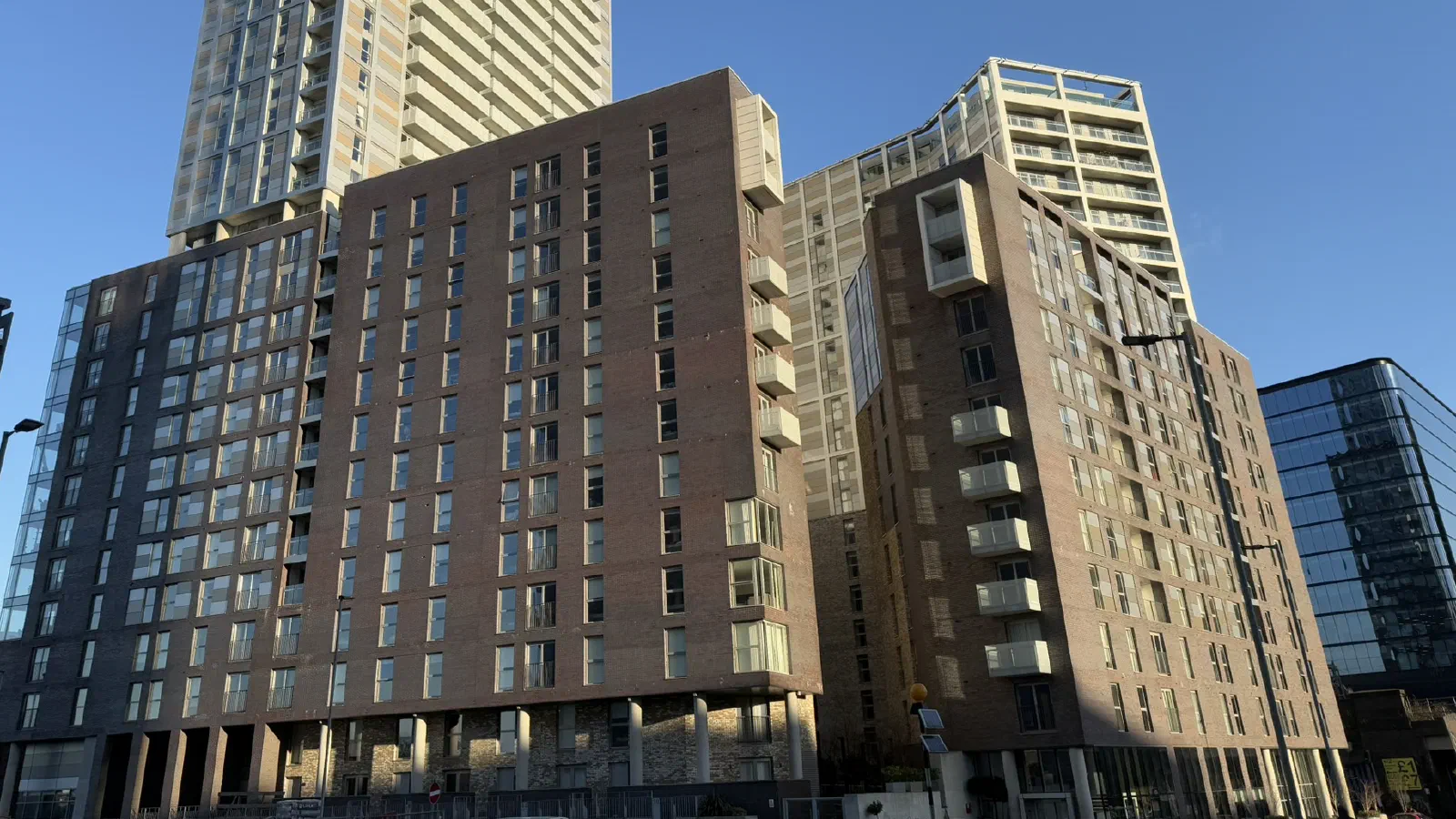
Best at blue hour
Greengate
Greengate · ManchesterSome gear links on this page are affiliate links — if you buy through them we may earn a small commission at no extra cost to you. See our affiliate disclosure.
What is Greengate?
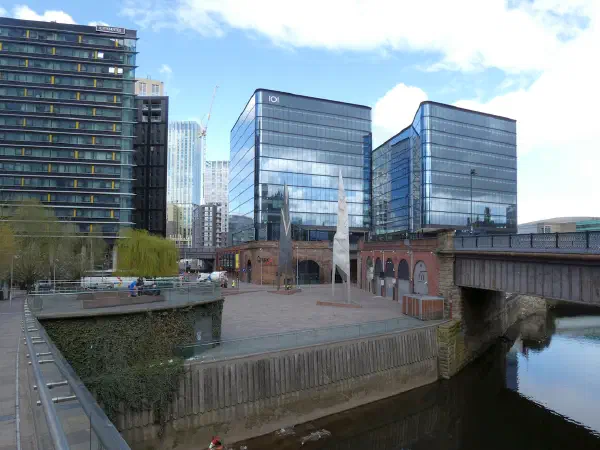
Greengate is a historic corner of Salford that has seen a dramatic transformation into a “New York style” skyscraper district. Located just across the River Irwell from Manchester Cathedral, it is home to the Anaconda Cut—one of the tallest residential towers in the region—and several other sleek glass high-rises.
Why Shoot Here?
- Skyline Views: The towering glass buildings offer a modern, metropolitan feel that is unique in the city.
- Waterfront Reflections: The River Irwell provides great opportunities for capturing reflections of the skyscrapers, especially at night.
- Bridges: Several interesting bridges cross the river here, connecting Salford and Manchester, offering great leading lines.
- Manhattan Vibes: The density of the new towers gives the area a distinct “big city” atmosphere that’s perfect for urban landscape photography.
Getting There
Victoria Metrolink and rail station is a five-minute walk across the River Irwell, and Manchester Cathedral is about the same. NCP Greengate is the nearest car park at roughly £6–10 per day. Greengate sits on the Salford bank of the Irwell directly opposite Manchester Cathedral, so you can be shooting the skyline within a couple of minutes of stepping off a tram.
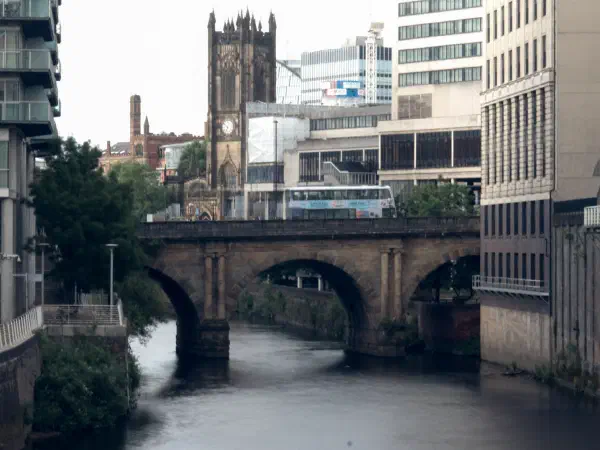
The public area around the Anaconda Cut tower and the riverside is open at any hour and free. Worth knowing before you set out: many of the best frames are shot from the Manchester bank rather than from Greengate itself, since you need the width of the Irwell to see the towers whole. Blackfriars Bridge and the riverside walkway beneath it are the key vantage, with Greengate Square and Manchester Cathedral both a minute away in Greengate.
Photography FAQ
Can you photograph in Greengate?
Yes. The riverside walkways, bridges and the public area around the Anaconda Cut are open access at all hours with no restrictions on photography or tripods. The towers are residential, so the courtesy is to shoot the buildings rather than into individual balconies and windows — a long lens pointed at somebody’s flat reads very differently from a long lens pointed at a facade, however similar the framing.
Where is the best place to shoot the Greengate skyline?
The Manchester riverbank, from the walkway below Blackfriars Bridge, shooting across the Irwell. A 35–70mm takes in two or three towers with their reflections below, and putting the Blackfriars arch in the left edge of frame gives the modern skyline some historical counterweight. A polariser genuinely earns its place here — rotate it to dial the river reflections in, or to cut glare off the curtain-wall glass, but not both at once.
What is the best time to photograph Greengate?
Blue hour, 20–40 minutes after sunset. The Anaconda Cut and the neighbouring glass towers light their upper floors from within, giving a warm amber glow against deep blue sky, and the Irwell is usually calm enough then to hold a clean vertical reflection — with Manchester Cathedral across the water as a medieval counterpoint. Golden hour works too, shooting west into the light from the Cathedral or Blackfriars side. Rain at night is the wildcard: wet pavement and river surface both reflect, doubling the vertical streaks of colour.
What is the Anaconda Cut and how do you shoot it?
It is one of the tallest residential towers in the region and the landmark that anchors the district. The distinctive feature is its spiralling balconies, and there are two ways to use them. Stand directly beneath it with a 16–24mm aimed straight up and the balconies form a vertiginous helical pattern against the sky. Or shoot it on an overcast morning from further back, where flat light leaves the cylindrical profile and the spiral legible instead of broken up by shadow.
What lens do I need at Greengate?
A 35–70mm covers the across-the-river skyline shots, which are the ones most worth having. A 16–24mm for the upward view at the base of Anaconda Cut, and for the low puddle-reflection frames on the riverside walkways after rain — 20–30cm above the ground at f/8 holds both the puddle and the reflected tower. A polariser is the accessory that changes results here more than any lens choice.
Best Times to Shoot
- Blue hour (20–40 minutes after sunset) — The Anaconda Cut and neighbouring glass towers illuminate their upper floors from within, producing a warm amber glow against a deep blue sky. The River Irwell is usually calm enough at this time to reflect the lit facades in a clean vertical stripe, with Manchester Cathedral visible across the water adding a medieval counterpoint.
- Golden hour looking west — Late afternoon sun hits the west-facing glass facades of the Greengate towers directly, turning them a warm gold and creating vivid horizontal reflections that cascade down the curtain-wall glazing. Shooting from the Cathedral or Blackfriars side of the Irwell puts you facing into this light, making the towers your subject.
- After rain at night — Wet riverside pavements and the Irwell surface both reflect the tower lights, creating doubled vertical streaks of colour. This effect is strongest on the pedestrian walkway that runs along the Manchester bank of the river opposite Greengate.
- Overcast mornings — The towers read as clean geometric forms against a white sky, good for graphic architectural studies. The Anaconda Cut’s spiralling balconies are particularly legible in flat light where shadows do not complicate the cylindrical profile.
Composition Ideas
- From the Manchester riverbank — Stand on the riverside walkway below Blackfriars Bridge and shoot across the Irwell toward the Greengate skyline. A 35–70 mm lens captures two or three towers together with their reflections in the river below; a circular polariser like the NiSi True Color CPL is genuinely useful here — rotate it to dial in the river reflections or cut glare off the curtain-wall glass. Include the Blackfriars bridge arch in the left edge of frame for historical context.
- Pedestrian bridge leading lines — Walk out onto one of the footbridges crossing the Irwell and use the bridge railing or deck as a strong leading line running toward the Anaconda Cut. The diagonal line combined with the tower’s vertical thrust creates a dynamic tension in the frame.
- Upward from the base of Anaconda Cut — Stand directly beneath the Anaconda Cut tower and aim a 16–24 mm wide-angle straight up. The spiralling balconies create a vertiginous helical pattern that compresses dramatically against the sky.
- Puddle reflection after rain — Look for shallow puddles on the riverside walkways and get low — 20–30 cm above the ground — to use a puddle as a mirror for one of the towers. A 24 mm lens at f/8 keeps both puddle surface and reflected tower in acceptable focus.
How to shoot it
Lens
A 16–35mm wide takes in reflections and foreground; switch to a 70–200mm to compress distant detail across the water.
Settings
Tripod, f/11, ISO 100 and a 1–8s exposure for glassy water and clean reflections; an ND filter extends it in daylight.
Composition
Shoot low to maximise the reflection, use the waterline as a leading line, and wait for still water to double the scene.
Timing
Blue hour — the ~20 minutes after sunset — is the sweet spot: the sky balances with the city's lights. Be set up before it starts; today's window is on this page.
More in Greengate
See the area →