 Golden hour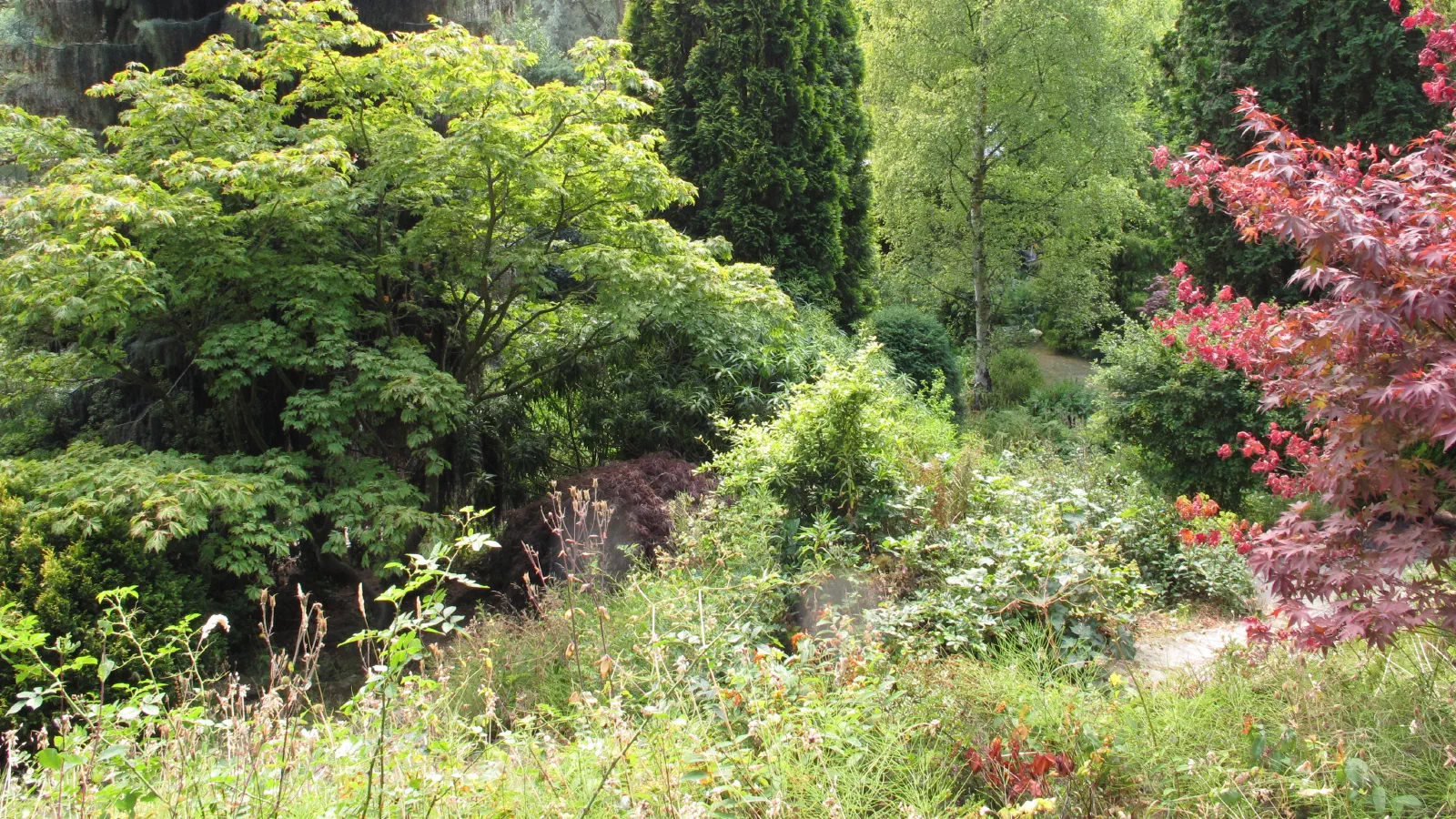
Best at golden hour
Fletcher Moss Botanical Garden
South Manchester · ManchesterSome gear links on this page are affiliate links — if you buy through them we may earn a small commission at no extra cost to you. See our affiliate disclosure.
What is Fletcher Moss Botanical Garden?
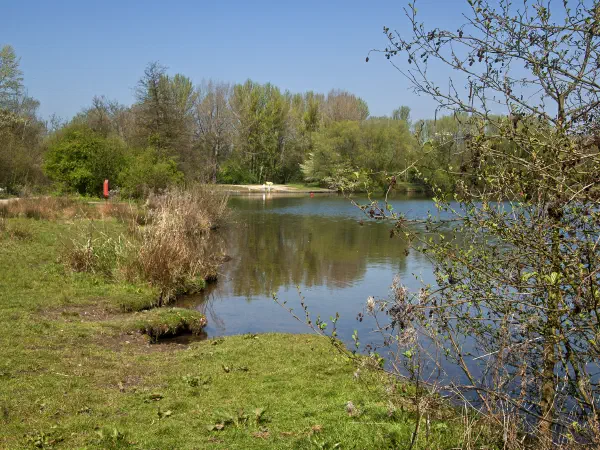
Fletcher Moss Botanical Garden is a historic and award-winning park situated in Didsbury, Manchester, spanning approximately 21 acres. Established in 1919 after being gifted to the city by Alderman Fletcher Moss, the site includes a sheltered rock garden, informal Parsonage Gardens, lawns, woodland, and river-edge meadows along the River Mersey.
The rock garden, originally designed by botanist Robert Wood Williamson on a south-facing slope, features waterfalls, pools, and a diverse collection of ornamental trees and plants—from royal ferns and marsh marigolds to exotic species like Chusan palms, tulip trees, and Gunnera. The adjacent Parsonage Gardens include the Croft house (once home to RSPB founder Emily Williamson), orchid/alpine structures, and vestiges of Victorian landscaping.
A community stewarded space, Fletcher Moss has held the Green Flag Award since 2000, recognising its excellence in maintenance, biodiversity, and visitor experience.
Why Shoot Here?
Fletcher Moss offers a lush and diverse setting that appeals strongly to photographers and Instagrammers:
- Botanical variety: Capture textures and colours from wild tulips, mossy rock formations, and seasonal blossoms to oversized Gunnera leaves and woodland greenery.
- Architectural and historical charm: The neo-Norman stone “Eagle Gate,” classical paths, and the Croft provide context-rich frames and layers of history.
- Atmospheric light and reflections: Water features, rockery, and shaded paths reflect changing light throughout the day—perfect for tranquil, moody, or ethereal shots.
- Wildlife and seasonality: Capture butterflies, diverse birdlife, autumn colours, or the garden’s lush spring palette—not to mention tranquil riverside meadows.
Getting There
This is the one spot on the site where the tram is not the answer. East Didsbury Metrolink is about a fifteen-minute walk; the 42 bus from Piccadilly Gardens to Didsbury village followed by a ten-minute walk is usually quicker from the city centre. There is a small free car park on Millgate Lane, but it fills early at weekends and in good weather — arrive by 8am or plan to park in the village and walk.
Entry is free and the gardens are open during daylight hours only, which is the constraint that shapes a shoot here: there is no blue hour session at Fletcher Moss, so the two windows are early morning and the hour before the gates close. The paths through the rock garden are sloped and gravelled with steps in places, so a tripod is worth carrying rather than wheeling. Platt Fields Park and the Whitworth Art Gallery are the other south Manchester stops on the way back into town.
Photography FAQ
Can you take photos at Fletcher Moss Botanical Garden?
Yes. It is a free public park run by the city with a community group of Friends, and personal photography is unrestricted. Tripods are fine on the paths — the courtesy is not to plant one across a narrow gravel path or step off into the planting to get a better angle at the rock garden, which is exactly the sort of thing that gets restrictions introduced. Commercial and wedding shoots are a different matter and are worth clearing with the council in advance.
What is the best time of year to photograph Fletcher Moss?
April and May for blossom, bluebells and the fresh foliage, when the rock garden planting is at its most lush. October and November for the mature woodland turning amber and gold, with the colour reflecting in the pools. Both beat high summer, when the canopy is uniformly green and the light through it is harsh. The garden holds up in winter too, when the bare structure of the rockery and the waterfalls becomes readable.
What is the best light in the gardens?
Early morning, sunrise to about 8am, when light filters through the tree canopy diffused, dew is still on the ferns and rock, and there is almost nobody there. The alternative is late afternoon: the rock garden sits on a south-facing slope and takes warm directional light that picks out the texture in the stonework and mosses. Avoid bright midday sun — the canopy breaks it into a harsh dapple that no exposure handles well.
What lens should I bring to Fletcher Moss?
A macro is the one that changes what you come home with — fern fronds, the oversized Gunnera leaves, lichen on stone and seasonal blossom are the garden’s real subjects at close range. Add a 16–24mm for the winding gravel paths from a low angle, and for framing scenes through the neo-Norman Eagle Gate. For the waterfalls, bring a tripod and work at 1/4 second or slower to silk the water against sharp foliage.
What is there to photograph besides the plants?
More than the name suggests. The 21-acre site includes the sheltered rock garden with its waterfalls and pools, the informal Parsonage Gardens with the Croft house, lawns, woodland and river-edge meadows along the Mersey. The stone Eagle Gate and the remains of the Victorian landscaping give you architectural frames, and the varied habitat means butterflies and birdlife are a realistic subject with a long lens.
Further Information
- Wikipedia – Fletcher Moss Botanical Garden — overview of history, layout, and plant collections
- Friends of Fletcher Moss Park & Parsonage Gardens — community insights on garden history, events, and conservation
- Manchester City Council – Parks directory — visitor access, facilities (café, toilets, court hire), and open hours
- Manchester Mummy – Visitor guide — practical tips for photography, parking, and seasonal highlights
Best Times to Shoot
- Early morning (sunrise to 8am): Soft, diffused light filters through the tree canopy and dew clings to ferns and rock formations, creating an ethereal atmosphere with minimal visitors.
- Late afternoon golden hour: The south-facing rock garden catches warm directional light that picks out textures in the stonework, mosses and water features beautifully.
- Spring (April–May): Blossoms, bluebells and fresh foliage provide vibrant colour throughout the garden; the rock garden plants are at their most lush.
- Autumn (October–November): Rich amber and gold tones from the mature woodland trees reflect in the pools and contrast with evergreen plantings.
Composition Ideas
- Use the waterfall and pools as foreground interest: Position yourself low at the rock garden waterfalls and use a slow shutter speed (1/4s or longer) on a tripod like the Peak Design Travel Tripod to create silky water against sharp surrounding foliage.
- Frame through the Eagle Gate archway: Stand inside or just beyond the neo-Norman stone gate to create a natural frame around garden scenes or pathways beyond.
- Leading lines along the paths: The winding gravel paths through the Parsonage Gardens draw the eye deep into the frame — shoot at a wide focal length (16–24mm) from a low angle.
- Macro details of botanical textures: Get close to fern fronds, Gunnera leaves, lichen-covered stone and seasonal blossoms with a macro lens for mirrorless for rich, abstract texture shots.
How to shoot it
Lens
A 24–70mm covers most scenes; a 70–200mm isolates detail and a macro lens finds the small stuff.
Settings
f/5.6–f/8 for natural depth, low ISO, and a polariser to cut glare and deepen foliage and sky.
Composition
Use paths and tree lines as leading lines, add foreground interest, and shoot into low side-light for depth and texture.
Timing
Aim for golden hour — the hour after sunrise or before sunset — when low, warm light rakes across the scene. Today's exact window is in the panel on this page.
More in South Manchester
See the area →