 Blue hour
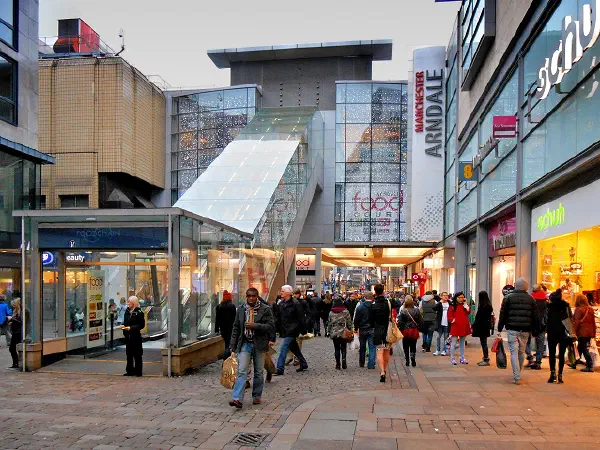
The vibrant heart of Manchester, packed with landmarks, culture, and endless photo opportunities. Grand civic buildings sit alongside contemporary glass towers, offering contrasts at every corner. From the neo-Gothic Town Hall to the curved glass of the Arndale, the city centre concentrates Manchester’s architectural story into a walkable area.
For photographers, the density of subjects is the main draw. You can move from the Portland stone grandeur of the central library to the steel-and-glass geometry of Exchange Square in a few minutes. Street photography thrives here too, with busy pedestrian areas like Market Street, St Ann’s Square and the area around Piccadilly Gardens providing a constant flow of people and activity.
Start with these three
They sit within five minutes of each other around the civic core, and between them cover architecture, interiors and street.
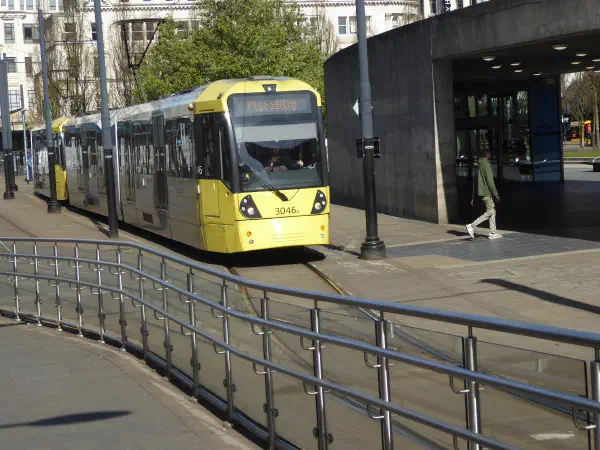
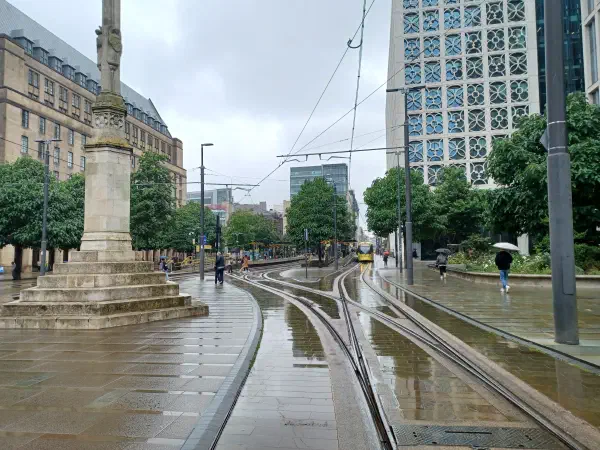
- St Peter’s Square — nowhere else in Manchester puts a 1934 Portland stone rotunda, an Edwardian terracotta hotel and contemporary glass towers inside one wide-angle frame. Yellow Metrolink trams cross from several directions every couple of minutes, which hands you motion blur, light trails and a sense of scale on demand.
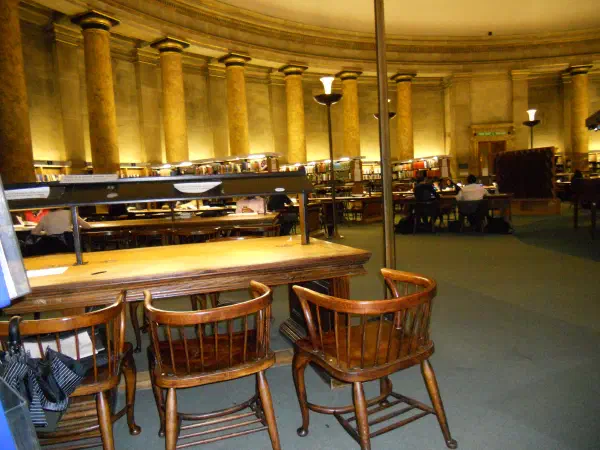
- Central Library Interior — the domed Great Hall, with radial seating and concentric symmetry. Daylight through the oculus is soft and even; contrast it against the warm spot lighting for a layered frame. Shoot it centred and level, because the building has already done the composition for you.
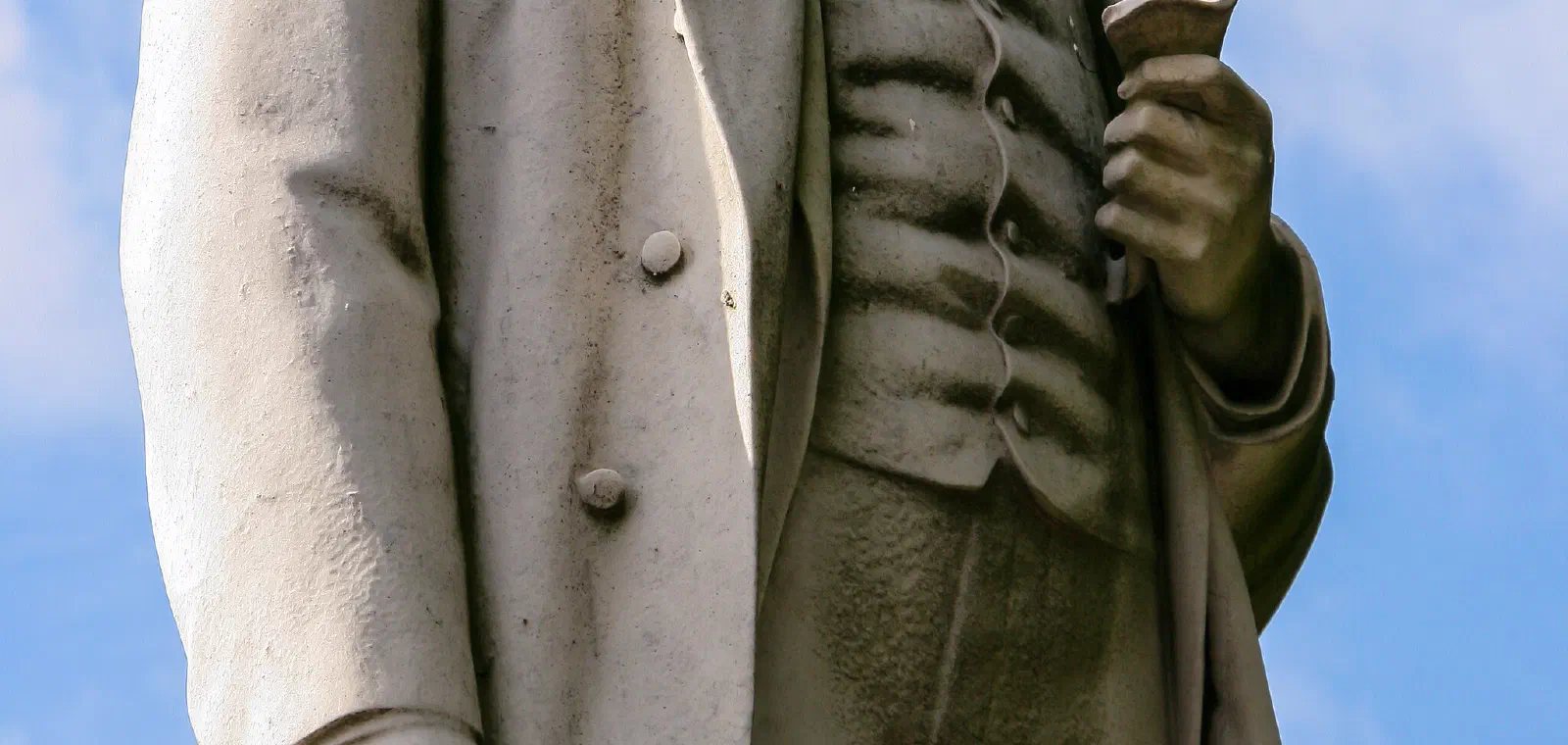
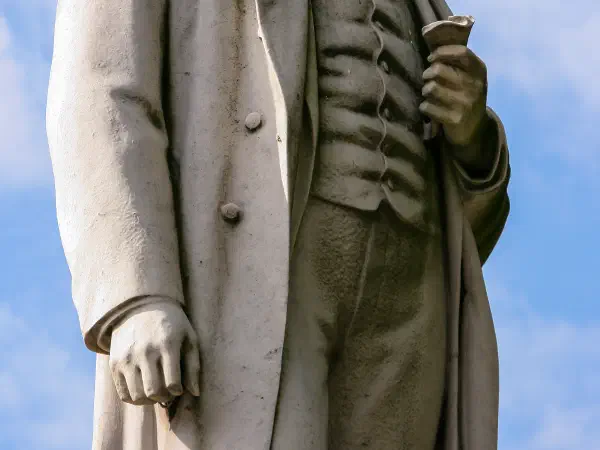
- Albert Square — the neo-Gothic Town Hall and the Albert Memorial, which works at every focal length from an environmental wide to a 200mm detail of the allegorical figures.
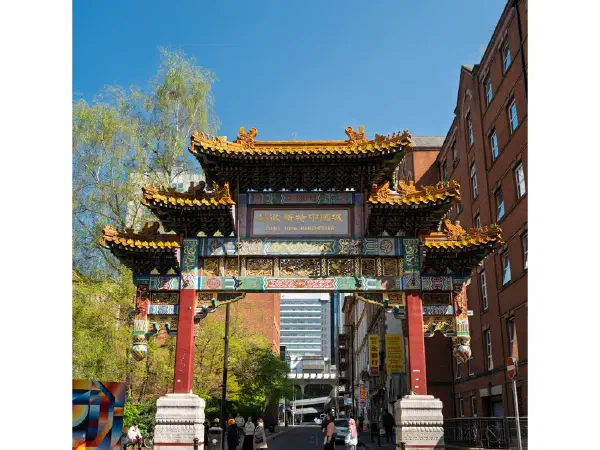
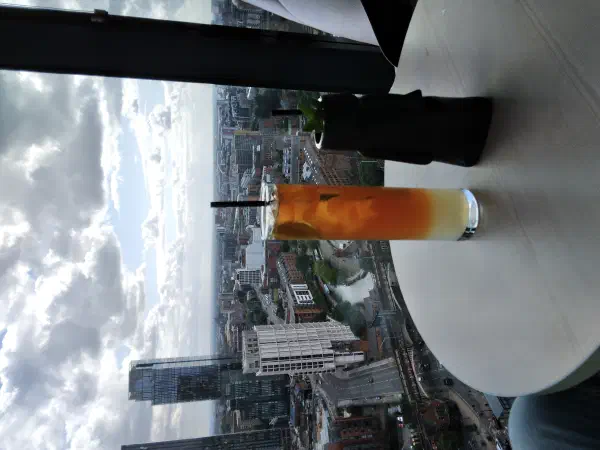
For a different register, Piccadilly Gardens is the highest-density pedestrian crossroads in the centre and the most productive street-photography pitch in this area. Chinatown and Canal Street both come alive after dark, and Cloud 23 / 20 Stories gets you above all of it.
Best light in the city centre
The squares are open, so unlike Ancoats or the Northern Quarter you get real directional light here. Golden hour side-lights the Town Hall’s stonework and the terracotta of the Midland; blue hour is when the centre is at its strongest, because the civic buildings are floodlit, the trams throw light trails, and the sky still holds colour behind the towers.
Weekday mornings before about 9am give you clean architectural compositions without crowds. If you want the opposite — people, movement, queues, trams — Saturday afternoon around Piccadilly and Market Street is as busy as Manchester gets. The centre is well lit after dark, which makes it the most forgiving area in the city for night work.
Getting there and access
St Peter’s Square and Market Street Metrolink stops are the two to aim for, with Piccadilly Gardens a few minutes east. Everything here is flat and mostly pedestrianised.
The squares and streets are public. Interiors are a different matter: Central Library is free to enter but is a working library — no tripods in the Great Hall, and keep quiet. Rooftop bars are private venues with their own rules, so check before you arrive with a bag of kit.
Pair it with
- Our full Manchester city centre photography guide — the individual landmarks and the shots worth queuing for.
- Manchester night photography: best locations — the centre is where most of them are.
- Best Manchester photography spots for a rainy day — the civic interiors here are the fallback when the weather turns, which in Manchester it will.
- The medieval quarter to Spinningfields walk — a mapped route that crosses this area.
- Neighbouring areas: Spinningfields, the medieval quarter, the Northern Quarter and Petersfield all border it.
In this area
City Centre spots
Walk it
A walk through City Centre
90 minutes · 1.8 km
Ready-made route
City Centre Squares & Neon Loop
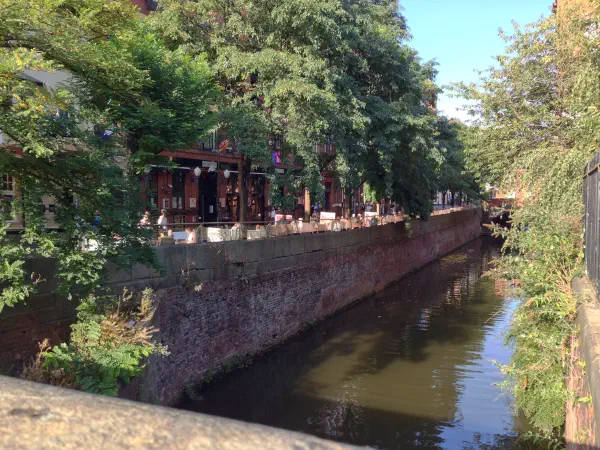
A 90-minute Manchester city centre photo walk: Central Library, St Peter's Square, Albert Square, Chinatown and Canal Street, golden hour into blue hour.
90 minutes
1.8 km
7 stops